
Building a new deck can completely change how you use your backyard. It can provide more room for entertaining, relaxing, grilling, dining and spending time with family. However, a successful deck project requires more planning than simply choosing a size and selecting a decking color.
Small design decisions can affect how comfortable, functional and attractive your deck feels for years to come. Before construction begins, Michigan homeowners should consider how the deck will fit their property, lifestyle and future plans.
Here are seven common deck design mistakes to avoid when planning your new outdoor living space.
1. Building a Deck That Is Too Small
One of the most common deck design mistakes is underestimating how much space will be needed.
A deck may look large enough on paper, but tables, chairs, grills, stairs and walkways can quickly reduce the available space. Once furniture is added, a poorly planned deck can feel crowded and difficult to navigate.
Before choosing your deck dimensions, think about what you want to place on it. Consider the amount of room needed for:
- An outdoor dining table
- Lounge chairs or sectional seating
- A grill or outdoor cooking area
- Planters and decorations
- Clear walking paths
- Doors that swing onto the deck
Planning around actual furniture measurements can help you create a deck that feels open and comfortable.
2. Not Considering How the Deck Will Be Used
Every homeowner uses their outdoor space differently. Some people want a quiet place to enjoy their morning coffee, while others need enough room to host large gatherings.
Before designing your deck, identify its primary purpose. Will it be used for dining, entertaining, grilling, relaxing or all of the above?
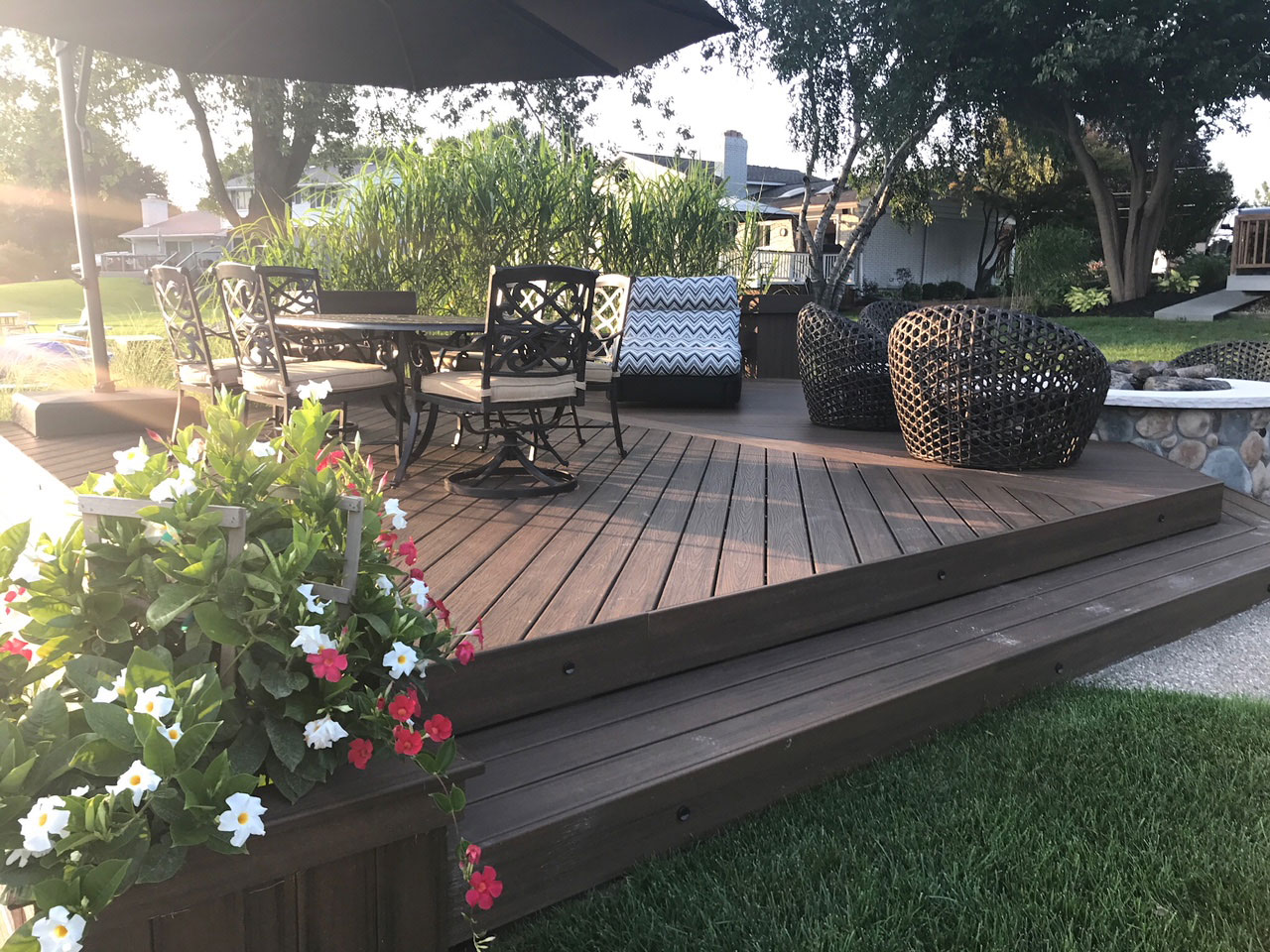
Larger decks can be divided into separate activity zones. For example, one area can hold a dining table while another includes built-in seating or lounge furniture. Creating designated spaces can make the deck more functional and visually appealing.
A custom deck should reflect how your household actually lives rather than following a one-size-fits-all design.
3. Placing the Stairs in the Wrong Location
Deck stairs can have a major impact on traffic flow.
Stairs placed in the middle of a seating or dining area can interrupt the layout and reduce usable space. Stairs that face the wrong direction may also create an inconvenient route between the deck and the rest of the yard.
Consider where people will naturally walk when entering or leaving the deck. The stairs should provide convenient access to important areas such as:
- The driveway
- A patio
- A swimming pool
- A fire pit
- A garden
- A play area
- A backyard gate
The right stair placement can improve both the appearance and everyday usability of your deck.
4. Ignoring Sunlight, Shade and Weather
Michigan homeowners experience warm summers, cold winters and changing weather throughout the year. The direction your deck faces can affect how much sunlight, shade and wind it receives.
A deck that receives strong afternoon sun may become uncomfortable during the hottest part of the day. Meanwhile, a heavily shaded deck may remain damp longer after rain or snow.
Pay attention to how sunlight moves across your backyard throughout the day. Depending on the location, you may want to include a pergola, shade structure or designated area for an umbrella.
You should also consider how leaves, rain, snow and ice may affect the deck. Thoughtful placement and material selection can make the space easier to enjoy and maintain.
5. Choosing Materials Based Only on Price
The least expensive decking material is not always the most economical option over the life of the deck.
Traditional wood decking offers a natural appearance but generally requires regular staining, sealing and maintenance. Composite decking typically has a higher initial cost, but it can provide lower maintenance requirements and long-term durability.
When comparing deck materials, consider more than the upfront price. Think about:
- Maintenance requirements
- Expected lifespan
- Resistance to moisture and insects
- Color and style options
- Surface temperature
- Long-term appearance
- Manufacturer warranties
The right decking material will depend on your budget, design preferences and willingness to perform ongoing maintenance.
6. Forgetting About Future Backyard Plans
Your outdoor space may change over time. A deck designed only around your current needs could limit future improvements.
For example, you may eventually want to add:
- A hot tub
- An outdoor kitchen
- A swimming pool
- A pergola
- A screened enclosure
- Built-in seating
- A fire feature
- Landscape lighting
Some additions may require additional structural support, electrical access or plumbing. Discussing future plans with your deck builder can help ensure the original design is prepared for possible upgrades.
Even if you are not ready to add these features now, planning ahead may make future projects easier and more cost-effective.
7. Overlooking Railings, Lighting and Finishing Details
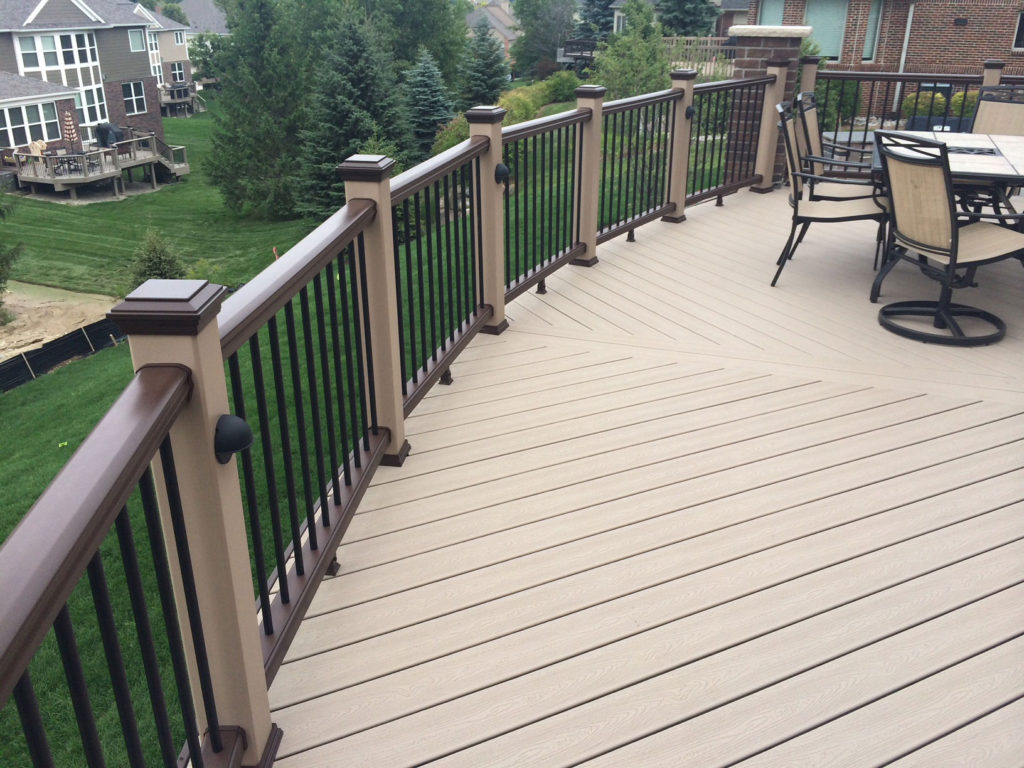 Deck boards often receive most of the attention during the design process, but finishing details can dramatically change the final result.
Railings contribute to the safety and overall style of the deck. Depending on the design, homeowners may choose traditional wood railings, low-maintenance composite systems, metal balusters or other custom options.
Deck lighting is another important feature. Properly placed lights can improve visibility around stairs, railings and walking areas while creating a welcoming atmosphere after sunset.
Other design details to consider include:
- Contrasting deck board borders
- Decorative inlays
- Built-in benches
- Privacy screens
- Under-deck storage
- Brick or stone columns
- Skirting around the deck base
These features can help transform a basic deck into a custom outdoor living space.
Plan Your Michigan Deck Carefully
A well-designed deck should complement your home, fit your backyard and support the way you want to use the space. Taking time to consider size, traffic flow, materials, weather and future plans can help prevent expensive changes later.
Working with an experienced deck builder can also help you identify potential challenges before construction begins. A professional can evaluate the property, recommend suitable materials and create a custom design based on your goals.
Michigan’s Best Deck Builders helps homeowners create attractive, durable and functional outdoor living spaces. Whether you are interested in wood decking, composite decking, custom railings, deck lighting or additional design features, our team can help you plan a deck that fits your home and lifestyle.
Contact Michigan’s Best Deck Builders today to begin planning your new custom deck.